

The link between sleep apnea and high blood pressure is direct. Each time your breathing stops during sleep, your oxygen level drops and your body releases stress hormones that tighten blood vessels and raise blood pressure. When this happens night after night, the pressure stays high during the day as well. Treating sleep apnea can help bring blood pressure under better control and protect your heart.
Sleep apnea is a disorder in which breathing repeatedly stops and starts during sleep. The most common type is obstructive sleep apnea. It happens when the muscles in the throat relax and the airway narrows or closes. Air cannot move freely, so breathing pauses until the brain briefly wakes you to reopen the airway.
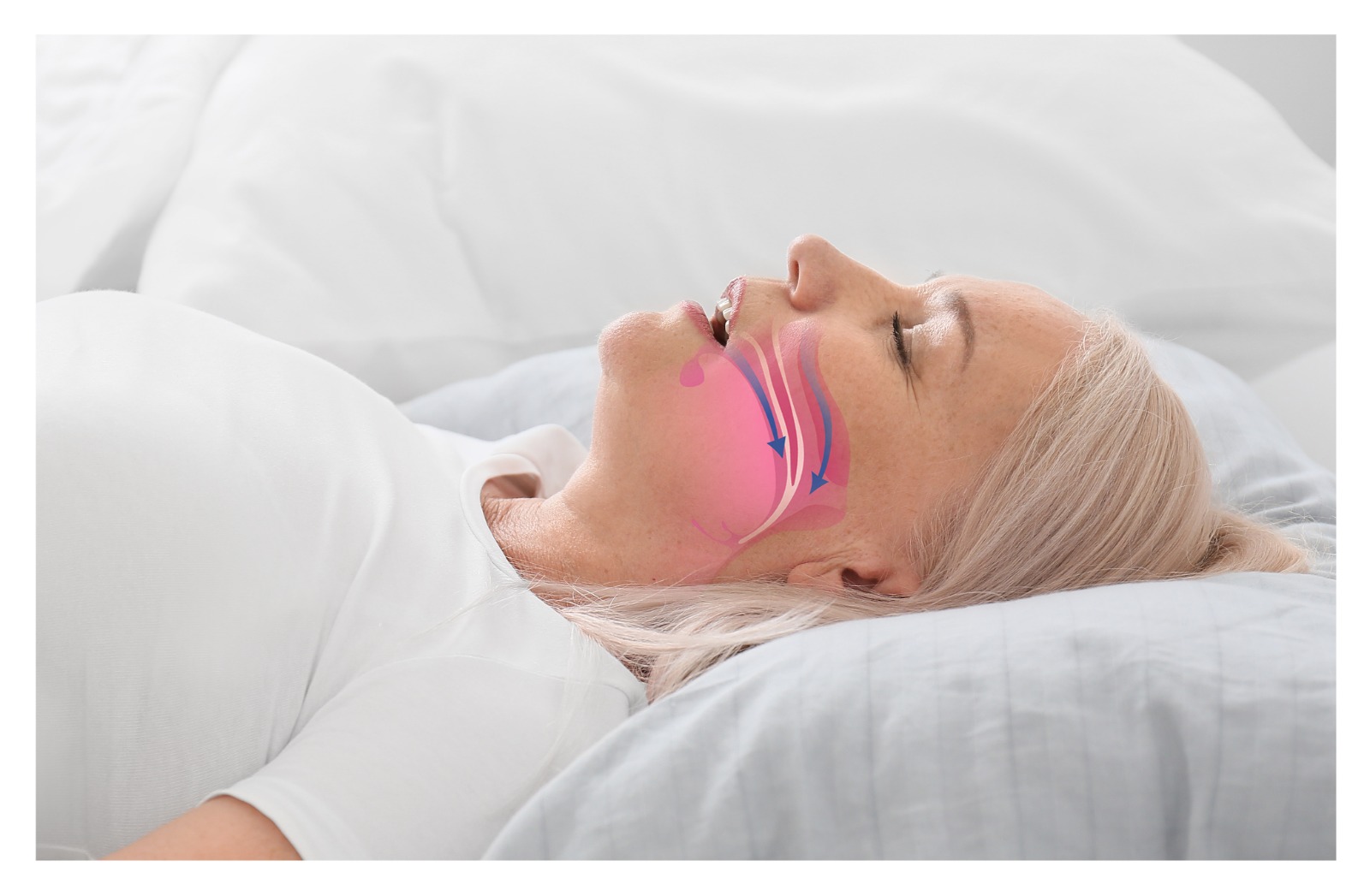
These pauses are called apneas. Partial blockages that reduce airflow are called hypopneas. Many people have dozens of these events each hour and never remember waking up. Loud snoring, gasping, and choking sounds are common signs.
Each apnea starves the body of oxygen for a few seconds or longer. The brain responds by jolting you out of deep sleep. This cycle breaks up restful sleep and leaves you tired the next day. It also puts steady stress on the heart and blood vessels. Over time, that stress adds up to real health problems.
Blood pressure is the force of blood pushing against the walls of your arteries. When that force stays too high, it is called hypertension. High blood pressure often has no symptoms, so many people do not know they have it.

Left untreated, high blood pressure damages arteries and makes the heart work harder. Keeping blood pressure in a healthy range is one of the most important steps you can take for long-term health.
The link between sleep apnea and high blood pressure starts with the body’s stress response. When oxygen drops during an apnea, the nervous system reacts as if you are in danger. It releases adrenaline and other stress hormones. These hormones speed up the heart and narrow blood vessels, which pushes blood pressure up.
In healthy sleep, blood pressure naturally dips at night. People with untreated sleep apnea often lose this nighttime dip. Their blood pressure stays elevated through the night and carries over into the day.
Repeated drops in oxygen also harm the lining of blood vessels. This lining helps vessels relax and widen. When it is damaged, vessels become stiffer and less flexible. Sleep apnea also increases inflammation throughout the body. Stiff, inflamed vessels make it harder for blood to flow easily, which keeps pressure high.
Blood pressure can spike sharply at the end of each apnea, when the body gasps for air. These spikes happen again and again throughout the night. Many patients with sleep apnea also have high blood pressure that does not respond well to medication. In these cases, the untreated sleep disorder may be part of the reason the numbers will not come down. The combination of low oxygen, stress hormone surges, and high blood pressure creates a heavy load on the heart. Addressing sleep apnea early helps reduce that load before lasting damage occurs.
High blood pressure is found with a simple cuff reading. Sleep apnea requires a sleep study, which records your breathing, oxygen levels, and sleep patterns overnight.

We offer two ways to test. An at-home sleep study lets you sleep in your own bed while a device collects information about your breathing. An in-lab sleep study monitors breathing patterns, oxygen levels, and interrupted sleep in a controlled setting. Our team helps decide which test fits your situation.
Treatment depends on what is blocking your airway and how severe your sleep apnea is. Because we are an ENT practice, our physicians look closely at the nose, throat, and airway to find the source of the problem.
Options available include:
Inspire Sleep Therapy: An implanted device that helps keep the airway open during sleep. Learn more about Inspire Sleep Therapy.
UPPP: A surgery that removes or reshapes tissue in the throat to widen the airway. See our UPPP.
Airlift: A procedure designed to support the tongue and reduce airway collapse.
Nasal procedures: Treatments such as septoplasty, turbinate reduction, and nasal valve reconstruction can improve airflow through the nose when blockage there contributes to poor breathing.
Some patients do well with one approach. Others benefit from a combination. Your plan is built around your anatomy and sleep study results. You can explore all of our sleep apnea services for more detail.
Treating sleep apnea is one part of controlling blood pressure. It works alongside other healthy habits. These include:
Keeping regular blood pressure checks at home and with your primary care physician.
Taking prescribed blood pressure medication as directed.
Reaching and keeping a healthy weight, which can reduce airway blockage.
Limiting alcohol, especially before bed, since it relaxes throat muscles.
Cutting back on salt and staying active.
Avoiding sleeping flat on your back if it worsens snoring.
When sleep apnea is treated, many patients find their blood pressure becomes easier to manage.
Talk with a physician if you or your bed partner notice any of these signs:
Loud, frequent snoring
Pauses in breathing or gasping during sleep
Waking up tired even after a full night in bed
Morning headaches
Daytime sleepiness or trouble focusing
High blood pressure that stays high despite medication
These symptoms are worth checking, especially if you already have high blood pressure or heart disease. Our team can review your symptoms and help you take the next step toward testing.
The link between sleep apnea and high blood pressure comes from repeated drops in oxygen, stress hormone surges, and damage to blood vessels. A sleep study can confirm the diagnosis, and treatments such as Inspire Sleep Therapy, UPPP, Airlift, and nasal procedures can restore healthier breathing. Treating sleep apnea is an important step toward better blood pressure and better overall health.