Understanding Obstructive Sleep Apnea (OSA)
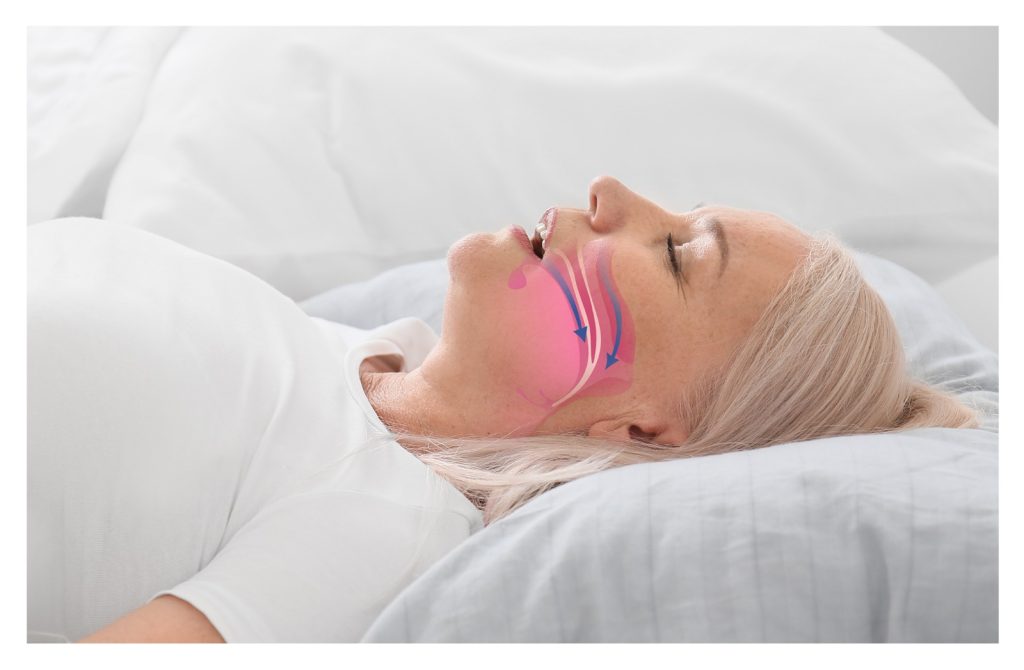
Obstructive sleep apnea (OSA) occurs when the muscles in your throat relax too much during sleep, causing your airway to narrow or close completely. This blockage prevents air from reaching your lungs, forcing your brain to briefly wake you up to reopen the airway. These episodes can happen dozens or even hundreds of times per night, though you may not remember them.
The consequences of untreated OSA extend far beyond poor sleep quality. People with moderate to severe sleep apnea face increased risks of:
- High blood pressure and heart disease
- Type 2 diabetes
- Stroke
- Depression and mood disorders
- Daytime fatigue leading to accidents
- Reduced cognitive function
The good news is that effective treatments exist, and choosing the right one can dramatically improve your quality of life and long-term health outcomes.
How CPAP Therapy Works
The CPAP Machine Explained
CPAP therapy uses a CPAP machine that delivers a constant stream of pressurized air through a mask you wear while sleeping. This continuous positive airway pressure acts as a pneumatic splint, keeping your airway open throughout the night and preventing the collapses that cause apnea episodes.
A CPAP machine consists of three main components: a motor that generates pressurized air, a mask that fits over your nose or mouth (or both), and a hose connecting them. Modern CPAP machines are quieter and more comfortable than earlier models, with features such as humidifiers, pressure adjustments, and data-tracking capabilities.
The treatment is highly effective when used consistently. Studies show that CPAP therapy can reduce apnea events to near-normal levels in most users, leading to better sleep quality, improved daytime alertness, and reduced cardiovascular risks. The non-invasive nature of CPAP means you can start treatment immediately after diagnosis without surgery or recovery time.
However, CPAP therapy does have challenges. Many patients struggle with mask discomfort, feelings of claustrophobia, skin irritation, nasal congestion, or difficulty adjusting to sleeping with equipment. These issues lead to compliance problems, with studies suggesting that up to 50% of CPAP users may discontinue treatment within the first year.
What Is Inspire Therapy?
How the Inspire Implant Works
Inspire therapy takes a completely different approach to treating sleep apnea. Instead of using external equipment, the Inspire implant is a small device surgically placed under the skin of your chest and neck. It works by delivering mild stimulation to the hypoglossal nerve, which controls tongue movement, preventing the tongue from blocking your airway during sleep.
The system consists of three components: a small generator implanted near your collarbone, a breathing sensor lead placed between your ribs, and a stimulation lead attached to the nerve under your tongue. Before bed, you use a small handheld remote to turn on the device, which then monitors your breathing patterns and delivers timed stimulation to keep your airway open.
Who Is a Good Candidate for Treatment?
Not everyone with sleep apnea qualifies for the Inspire implant. The FDA has approved specific criteria that determine eligibility. A good candidate for Inspire therapy must meet several requirements:
- Moderate to severe obstructive sleep apnea (AHI between 15 and 65)
- Unable to tolerate or benefit from CPAP therapy
- Age 18 or older
- Not significantly overweight (BMI of 32 or below, though some doctors may consider up to 35)
- No complete concentric collapse at the palate level (determined by drug-induced sleep endoscopy)
These strict criteria mean that only about 10-15% of sleep apnea patients qualify for inspire. The BMI requirement is particularly important because excess weight can affect how well the therapy works, and sleep endoscopy must confirm that your airway collapse pattern is suitable for nerve stimulation treatment.
What Most People Need to Know
Before considering Inspire, you’ll need documented evidence that you’ve tried CPAP therapy for an adequate period and either couldn’t tolerate it or didn’t achieve satisfactory results. This requirement reflects the medical community’s view that CPAP should remain the first-line treatment due to its proven track record and non-surgical nature. Most people with sleep apnea will start with CPAP therapy and find success with proper adjustments and support from their sleep medicine team.
Comparing Effectiveness: Which Is the Best Treatment?
When evaluating which treatment is best for your sleep apnea, effectiveness rates tell an important part of the story. CPAP therapy, when used consistently, effectively treats sleep apnea in approximately 95% of cases. The key phrase here is “when used consistently” – perfect compliance yields excellent results, but real-world compliance rates are much lower.
Inspire therapy shows promising results for those who qualify and complete the treatment. Clinical trials demonstrate that Inspire reduces apnea events by about 79% on average, with 85% of bed partners reporting reduced or no snoring. While these numbers are slightly lower than optimal CPAP use, the crucial difference is that Inspire users tend to use their therapy more consistently because it doesn’t require wearing a mask.
The five-year data from Inspire show sustained benefits and high patient satisfaction rates. Most users report significant improvements in sleep quality, daytime alertness, and overall quality of life. However, like any medical device, Inspire isn’t perfect – some patients may need additional programming adjustments, and about 2% require device removal due to complications or lack of effectiveness.
Will Commercial Insurers Cover Inspire?
Financial considerations play a significant role in choosing between these treatments.
- CPAP machines typically cost between $500 and $3,000, with most insurance plans covering a substantial portion after you meet your deductible. You’ll also have ongoing costs for replacement masks, filters, and tubing, which can add up to several hundred dollars annually.
- Inspire therapy represents a much larger upfront investment, with the surgery and device typically costing between $30,000 and $40,000. However, most major commercial insurers now cover Inspire for patients who meet the eligibility criteria. Medicare also covers the procedure, as do many Medicaid programs, though specific coverage varies by state and plan.
- To get commercial insurers to cover Inspire, you’ll need thorough documentation of your sleep apnea diagnosis, proof that you’ve tried CPAP therapy without success, and confirmation that you meet all medical eligibility criteria. Your doctor will need to submit detailed records showing your AHI scores, CPAP trial history, and results from your sleep endoscopy. The approval process can take several weeks to months, but most qualified patients do eventually receive approval.
Other Alternatives: Oral Appliances and Lifestyle Changes
While CPAP and Inspire represent the two most discussed options, oral appliances offer another treatment path for certain patients with mild to moderate sleep apnea. These custom-fitted dental devices reposition your lower jaw and tongue to keep your airway open during sleep.
Oral appliances are most effective for people with mild to moderate OSA or positional sleep apnea. They’re also popular among people who cannot tolerate CPAP but don’t qualify for Inspire. The devices are less effective than CPAP for severe sleep apnea, but they offer a non-invasive, portable solution that some patients find easier to use consistently.
Other treatment options include positional therapy (sleeping on your side rather than your back), weight loss for overweight patients, and surgical procedures like uvulopalatopharyngoplasty (UPPP). Each option has specific indications, benefits, and limitations that your sleep specialist can discuss with you.
Receive Inspire Sleep Therapy at Coastal ENT
If you’re experiencing sleep apnea symptoms and have struggled with traditional CPAP therapy, Coastal ENT offers comprehensive evaluation and treatment with Inspire’s upper airway stimulation technology. Our sleep experts will carefully review your medical history to determine whether you’re dealing with mild, moderate, or severe OSA, and assess if you meet the criteria for this innovative surgically implanted device. Unlike CPAP machines that can cause dry mouth and mask discomfort, the Inspire system works by gently stimulating the hypoglossal nerve to move your tongue forward during sleep, keeping your airway open naturally. Our team will guide you through every step of the process, from initial consultation and sleep studies to the surgical procedure and post-operative device programming, ensuring you receive personalized care tailored to your unique needs.
Contact Coastal ENT today to schedule a consultation and discover whether Inspire therapy could be the life-changing solution that finally gives you the restful sleep you deserve.
Final Thoughts on Inspire vs CPAP
Obstructive sleep apnea is a common sleep disorder that affects many people, causing repeated sleep apnea events that lead to serious health risks, including cardiovascular disease, diabetes, and chronic fatigue. While the continuous positive airway pressure (CPAP) machine remains the gold standard first-line treatment, delivering consistent air pressure through CPAP masks to prevent your throat from collapsing during sleep, it’s not the only solution available. For those who cannot tolerate CPAP treatment despite trying various mask styles and pressure adjustments, alternative treatments like Inspire offer hope through hypoglossal nerve stimulation.
This innovative approach involves surgical implantation of a device with a sensing lead that monitors your breathing and stimulates the nerve controlling your tongue, keeping your airway open without external equipment. However, candidates must meet specific criteria, including a body mass index within a certain range and appropriate airway anatomy, and they should understand that this surgery requires general anesthesia and occasional battery replacement in the upper chest area over the device’s lifespan.
The decision between CPAP treatment and surgical options, such as Inspire, should never be made hastily or without thorough evaluation by qualified sleep medicine specialists. Your journey should begin with a comprehensive sleep study to diagnose the severity of your condition, followed by a genuine trial of CPAP therapy with proper support and adjustments to maximize your chances of success. If CPAP truly doesn’t work for you despite best efforts, discuss whether you qualify for Inspire or other alternative treatments with your doctor, carefully weighing the benefits against potential adverse events and the commitment required for surgical implantation.
Remember that both treatments have proven track records of reducing sleep apnea events and improving quality of life when used consistently – the key is finding the approach that you’ll actually use every night. Whether you choose the non-invasive path of continuous positive airway pressure or explore surgical options like hypoglossal nerve stimulation, taking action to treat your sleep apnea is one of the most important decisions you can make for your long-term health and well-being.

About the Author
Vincent Pisciotta
Dr. Pisciotta brings decades of ENT expertise, with advanced training at LSU and MD Anderson Cancer Center. He is recognized for his leadership and contributions to otolaryngology.