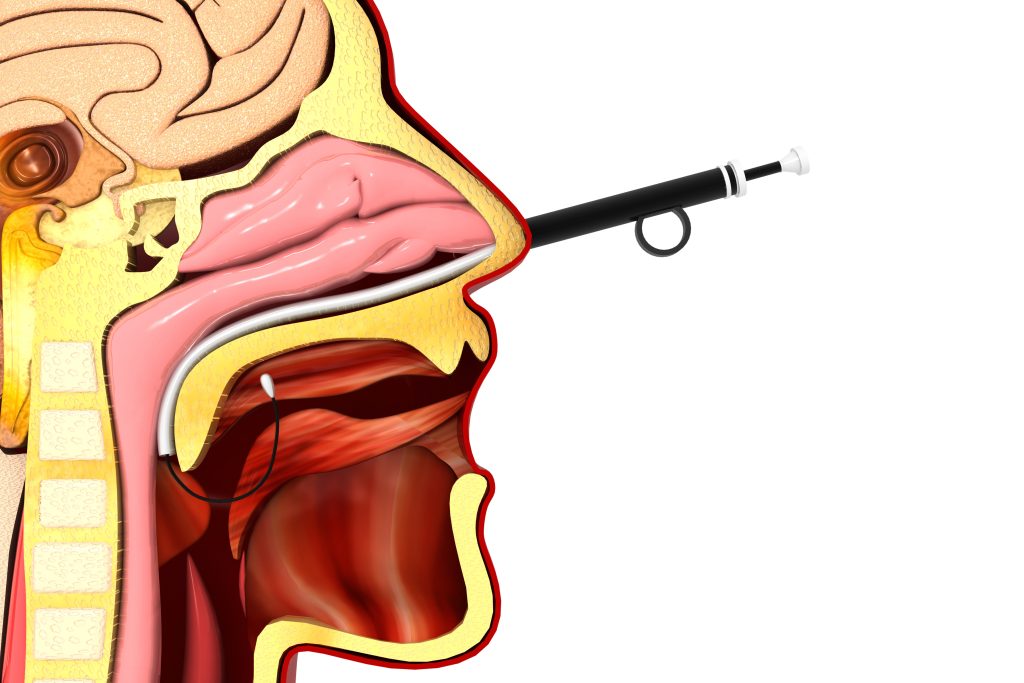
The Balloon Sinuplasty Procedure
Balloon sinuplasty works by gently opening blocked sinus passages using a small, flexible balloon catheter (tube). Your doctor guides the catheter into the affected sinus opening, inflates the balloon to widen the passage, and then removes it, leaving the sinus open so it can drain properly. No tissue is cut. No bone is removed. The whole process typically takes under an hour and can often be done right in your doctor’s office under local anesthesia.
It sounds almost too simple. But the mechanics make sense: when a sinus passage is structurally widened, it stays open. The sinus lining is preserved, which means the body’s natural ability to filter and drain mucus is restored rather than disrupted.
Does It Treat Chronic Rhinosinusitis?
Balloon sinuplasty was specifically developed for people with chronic rhinosinusitis, a condition characterized by inflammation of the sinuses that persists for 12 weeks or longer despite treatment. If you’ve been living with symptoms like facial pressure, nasal congestion, reduced sense of smell, and thick drainage, and antibiotics or nasal sprays haven’t done enough, you may be an ideal candidate.
Chronic rhinosinusitis affects millions of people and has a real impact on quality of life, work performance, and sleep. It’s not just “a bad cold that won’t go away.” For many patients, it’s a condition that has quietly taken over their daily lives for years.
Does Balloon Sinuplasty Work for All People?
This is the question most patients quietly carry into their consultation. The short answer: yes, for the right candidates, it works very well. Clinical data consistently shows high rates of symptom improvement and patient satisfaction. A landmark multi-center study found that over 95% of patients reported improved quality of life two years after the procedure, and symptom scores remained significantly better than before treatment.
Balloon Sinuplasty Results – How Long Do They Last?
This is the heart of what most people want to know. Balloon sinuplasty results tend to be durable. Long-term follow-up studies have tracked patients for over two years post-procedure and found that the structural changes hold – the sinuses that were opened stay open in the vast majority of cases.
Several factors can influence how long your results last:
- The severity of your sinus disease: Mild to moderate chronic sinusitis tends to respond better and longer than very advanced disease.
- Underlying allergies: Uncontrolled allergies can cause ongoing inflammation that affects the sinuses even after a successful procedure.
- Nasal polyps: If polyps are present, they may regrow over time and require additional management.
- Post-procedure care: Consistent use of nasal rinses, following your doctor’s instructions, and attending follow-up appointments all help sustain your results.
- Anatomy: Some people have structural factors that make sustained improvement easier than others.
- Think of it this way: balloon sinuplasty corrects a structural problem, but it doesn’t change your immune system or allergy profile. Managing those underlying factors is part of protecting your long-term results.
Benefits of Balloon Sinuplasty Treatment
One of the most common worries patients bring up is fear of pain, and it’s a completely understandable concern. However, most patients are pleasantly surprised. The procedure is typically performed under local anesthesia, so the sinuses are numbed before anything begins. During the procedure, patients usually feel pressure rather than pain – a sensation of fullness in the face as the balloon is gently inflated.
Post-procedure discomfort is usually mild. Some patients describe it as feeling like a moderate head cold for a day or two. Over-the-counter pain relievers are generally enough to manage any soreness, and most people feel well enough to return to light activity within 24 to 48 hours.
Is Balloon Sinuplasty Painful?
When a child has persistent ear infections that don’t resolve with antibiotics alone, ear tubes offer a proven solution that can transform their quality of life. These tiny hollow cylinders, inserted through the eardrum during ear tube placement, provide immediate relief and long-term benefits that extend far beyond just stopping infections.
The primary way tubes help is by addressing Eustachian tube dysfunction, which is the root cause of recurrent middle-ear infections in children. When the Eustachian tube can’t drain properly, excess fluid accumulates behind the eardrum, creating the perfect environment for bacteria to thrive. By creating an alternative drainage pathway, tubes allow air to circulate and fluid to escape through the ear canal, breaking this cycle of infection.
The Benefits of Faster Recovery Time
One of the most meaningful advantages of balloon sinuplasty is its significantly faster recovery time compared to conventional functional endoscopic sinus surgery (FESS). With traditional surgery, patients may need one to two weeks off work and face a longer, more uncomfortable healing process. With balloon sinuplasty, most people return to normal activities within one to two days.
In the first few days after the procedure, you can expect some nasal congestion, mild drainage, and a bit of facial tenderness. Nasal saline rinses are usually recommended to keep everything clean and support the healing process. Your doctor will likely schedule a follow-up visit to assess how you’re doing and make sure everything is on track.
Your Healthcare Provider's Role in Your Success
Choosing the right healthcare provider matters just as much as choosing the right procedure. An experienced ENT (ear, nose, and throat) specialist or otolaryngologist will evaluate your sinus anatomy using CT imaging, review your history, and determine whether balloon sinuplasty is appropriate for your specific situation or whether a different approach might serve you better.
Balloon Sinuplasty FAQs
How soon will I notice results? Many patients feel improvement within the first week as swelling subsides. Full results typically become clear within four to six weeks.
Can the procedure be repeated? Yes, if the sinuses close again over time, the procedure can be performed again.
Is it covered by insurance? Many insurance plans do cover balloon sinuplasty when chronic sinusitis has been documented and conservative treatments have failed. Check with your provider and your doctor’s billing team.
What if I also have polyps? Polyps may need to be addressed separately. Your doctor can discuss combination approaches if needed.
Am I too old or too young for balloon sinuplasty? The procedure has been performed safely on a wide range of adult patients. Your overall health and anatomy matter more than age alone.
If you’ve been suffering through years of sinus misery, balloon sinuplasty offers a real path to relief – one that’s gentler, faster, and more durable than most people expect.
Schedule Your Appointment at Coastal ENT
If chronic sinus symptoms have been holding you back, you don’t have to keep pushing through the discomfort on your own. At Coastal ENT, our team specializes in helping patients find lasting relief, from clearing blocked nasal passages to restoring normal sinus function so you can breathe, sleep, and feel like yourself again. Using a small balloon to gently open narrowed sinus cavities, we guide patients through the entire process with care and transparency, so you always know what to expect and feel confident in your treatment plan.
We’ve helped countless patients achieve significant improvements in their sinus conditions, including relief from facial pain, pressure, and the daily exhaustion that comes with untreated chronic sinusitis. Whether you’re exploring your options for the first time or ready to take the next step, we’d love to hear from you.
Call our office today or request an appointment online – clearer sinuses and better days are closer than you think.
Conclusion
Balloon sinuplasty is a minimally invasive treatment that has genuinely changed the way patients with chronic sinusitis approach care. Unlike traditional medical procedures that require removing tissue in an operating room, this technique uses a flexible catheter to gently restructure sinus passages and restore proper drainage. It is performed without the lengthy downtime or significant tissue removal that once made sinus surgery feel so daunting.
Balloon sinuplasty is a minimally invasive way to address chronic sinusitis symptoms, including persistent nasal congestion, facial pressure, and recurring sinus infections, with minimal discomfort and a recovery process that fits into real life. Most patients are advised to keep their head elevated for the first day or two, rinse regularly with saline solution, and avoid intense physical activity for a short period. A nasal endoscopy beforehand helps your doctor map out your anatomy and confirm you’re a good candidate, so the treatment is targeted and effective from the start.
Long-term success comes from pairing the procedure with ongoing management of any underlying triggers, whether that’s allergies, environmental factors, or lifestyle habits that contribute to inflammation. With minimal downtime and durable results, balloon sinuplasty offers chronic sinusitis patients a clear path forward – one that prioritizes restoring their quality of life. If you’re tired of living with symptoms that slow you down, now is a good time to have a conversation with a specialist and find out whether this approach is right for you.

About the Author
Vincent Pisciotta
Dr. Pisciotta brings decades of ENT expertise, with advanced training at LSU and MD Anderson Cancer Center. He is recognized for his leadership and contributions to otolaryngology.